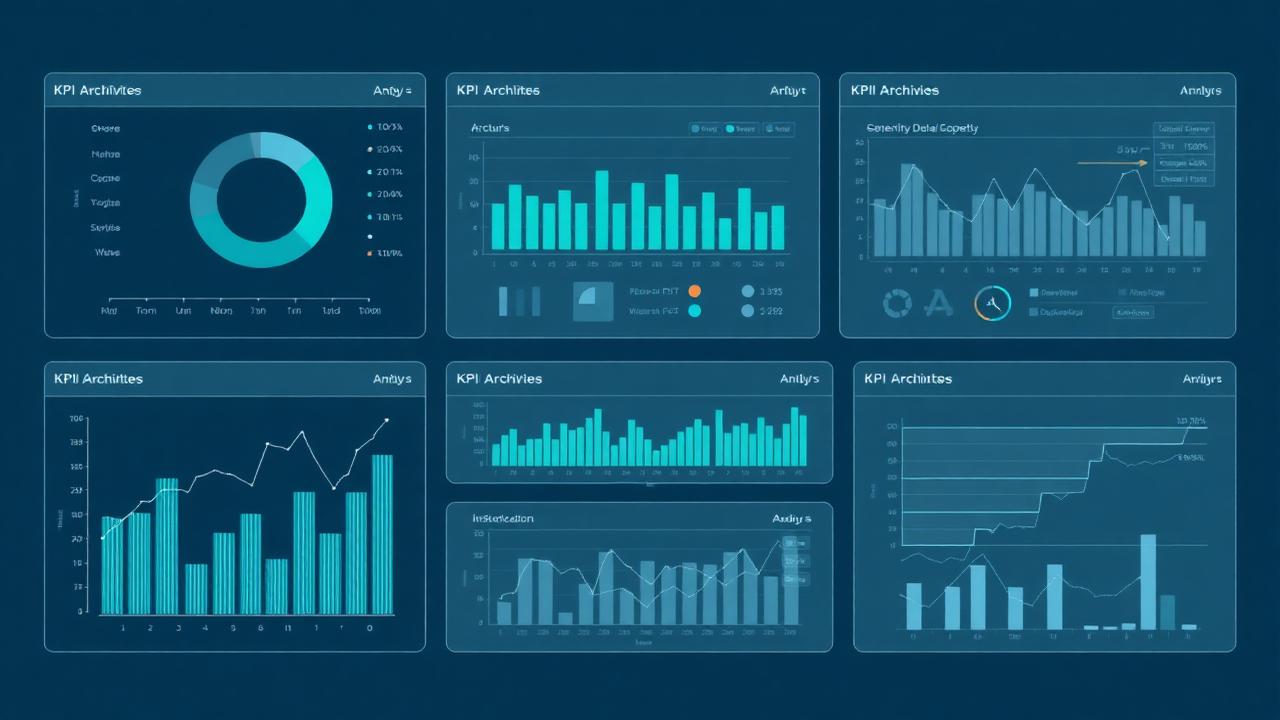
Data growth is inevitable, but the way businesses manage it can make all the difference in maintaining system efficiency and reducing costs. Data Volume Management (DVM) ensures that growing datasets don't overwhelm business systems or drive up operational expenses. But success in DVM isn't just about archiving data — it's about knowing where the biggest opportunities lie and continuously monitoring performance to stay on track.
That's where reports and KPI monitors come in. These tools provide clear insights into where data growth is occurring and how effectively your DVM strategy is working.
Identifying Data Growth Hotspots
Unchecked data growth can quickly lead to system inefficiencies, higher storage costs, and performance bottlenecks. With the right reporting tools, businesses can identify the specific areas where data is growing most rapidly — known as data growth hotspots.
Standard SAP reports (Solution Manager, Cloud ALM), augmented with Neev's proprietary DVM content and healthcheck, make it easy to track where data growth is happening and which tables or objects consume the most storage. Armed with this information, Neev's DVM strategy experts propose sustainable system footprint reduction strategies that address current challenges and provide a roadmap for the future.
Developing a Sustainable Footprint Reduction Strategy
Once data growth hotspots have been identified, the next step is to develop a long-term strategy for reducing the overall system footprint. Neev's experts leverage DVM reports to create roadmaps that include both short-term and long-term actions — whether moving older, unused data to more cost-effective storage through archiving, or auditable purges of data that is no longer relevant.
Continuous Monitoring for DVM Execution Efficiency
Implementing a DVM strategy is just the beginning. Through DVM Monitoring and Data Archiving as a Service (DAaaS), Neev periodically collects key metrics — table growth, archiving progress — to measure how well the strategy is working. These metrics are visualized through SAP BTP-hosted applications, letting organizations track DVM execution in real-time and quickly correct deviations before inefficiencies take hold.
Benchmarking KPIs with Industry Standards
Data management is not one-size-fits-all. Neev's experts analyze key performance indicators related to your DVM strategy and compare them with peer organizations, ensuring your data management efforts are on par with industry best practices and continuously improving.
Improving Decision-Making with Data-Driven Insights
The power of reports and KPI monitors lies in the insights they provide. If a report shows a particular table is growing faster than expected, you can proactively archive data or adjust storage. If KPIs reveal your current strategy isn't as efficient as it could be, you can tweak your approach to better align with business objectives.
Reports and KPI monitoring are invaluable for any organization looking to improve DVM efficiency. By identifying hotspots, continuously monitoring execution, benchmarking performance, and leveraging data-driven insights, businesses can ensure their systems remain optimized for the long term.